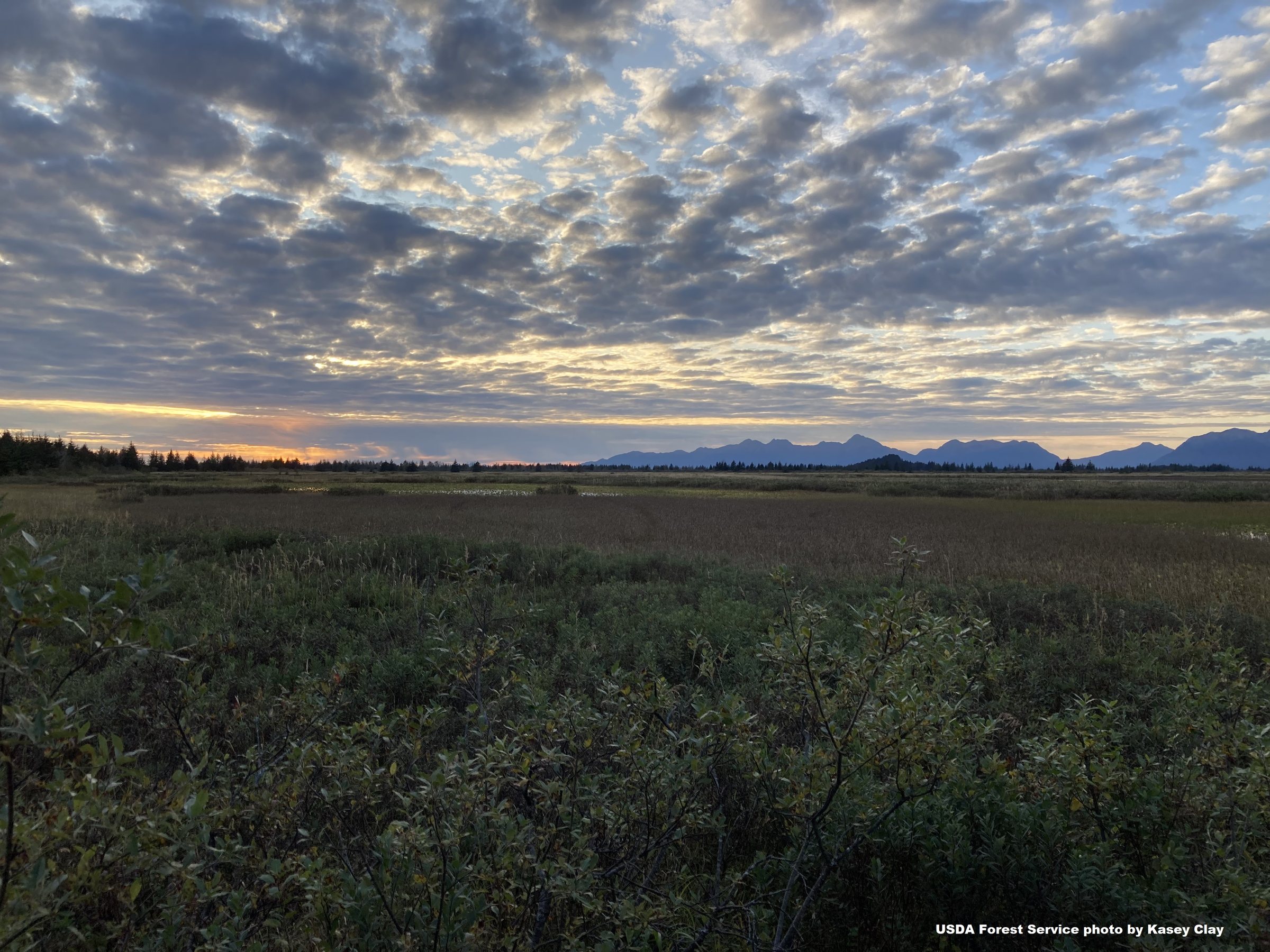
Autumn evening over wetlands and distant mountains on the Copper River Delta, Alaska.

Guiding hunters. Creating memories.

AK Waterfowl Guides

Unforgettable waterfowl adventures in the heart of Alaska — registered hunts on the tidal flats, sloughs, and coastal marshes of Southcentral Alaska.

Thomas Craig Guide No. 2026-5003 Registered since 2022

Photo: Copper River Delta — USDA Forest Service / Kasey Clay

The guide

A registered Alaska waterfowl guide.

Welcome to AK Waterfowl Guides, operated by Thomas Craig, an Alaska Migratory Game Bird Guide (Guide No. 2026-5003), registered since 2022.

Thomas guides waterfowl hunts in Alaska Game Management Units 12, 13, and 14, working the river sloughs, hay flats, and coastal marshes of Southcentral Alaska — country known for mallards, pintails, teal, geese, and sea ducks.

The work is straightforward: know the birds, the tides, and the terrain, set a thoughtful spread, and hunt the birds that use these wetlands each fall. Hunts are tailored for beginners and seasoned hunters alike. This site describes the areas, the typical shape of a hunt, and the licenses every hunter is expected to carry. Specific arrangements are confirmed when you inquire.

Guide number
2026-5003
Registered
Since 2022
Game Management Units
GMUs 12, 13 & 14
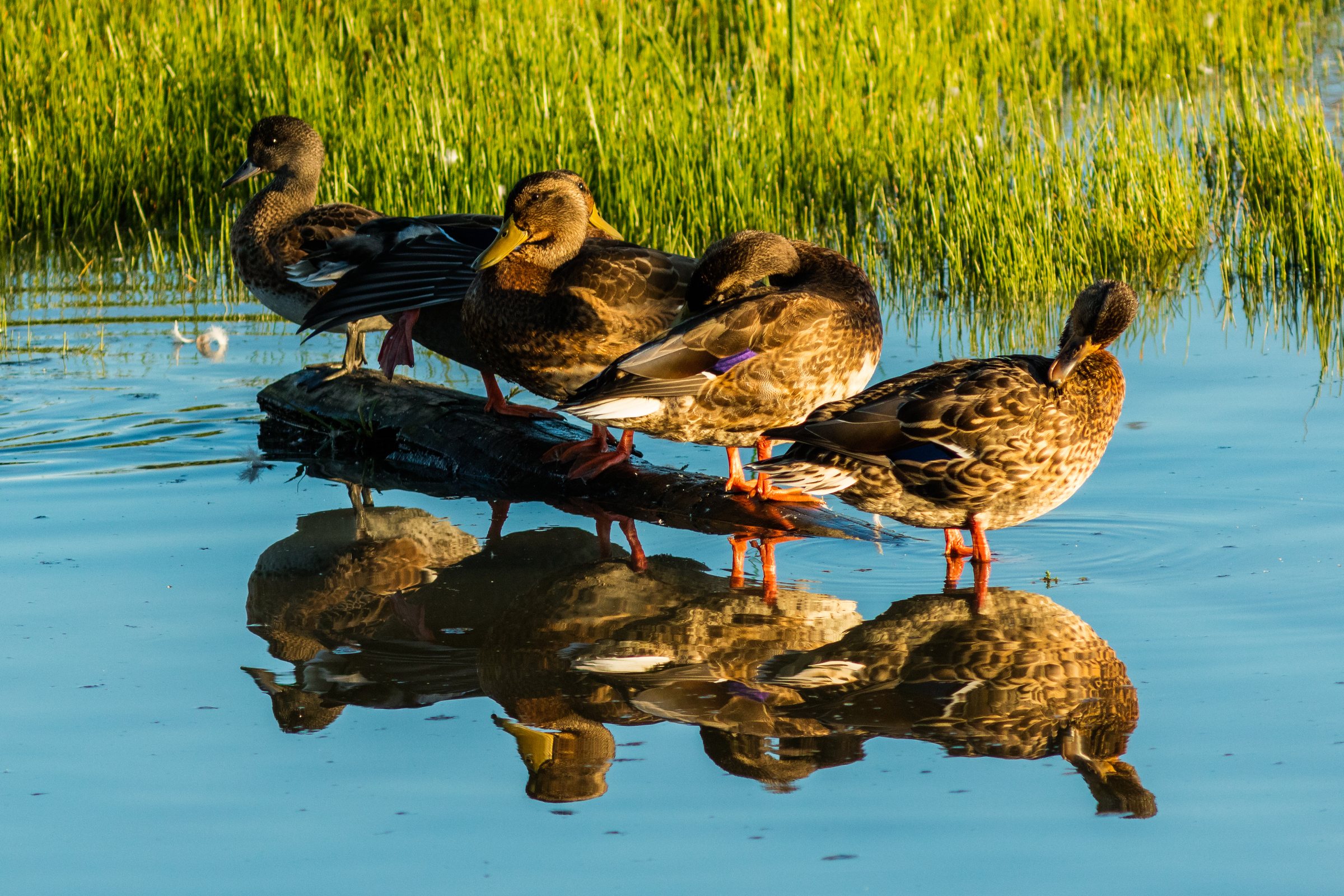
Mallards standing on a log in shallow water with green marsh grass behind them, photographed at Potter Marsh, Alaska.
Mallards at Potter Marsh, in the Anchorage Coastal Wildlife Refuge. Photo: Diego Delso, CC BY-SA 4.0.

Where we hunt

Primary hunting areas

Hunts are offered in the areas below, within the guide’s registered units. Access, methods, and open ground can change with tides, season, and current regulations. Hunters are responsible for knowing closures and private property boundaries.

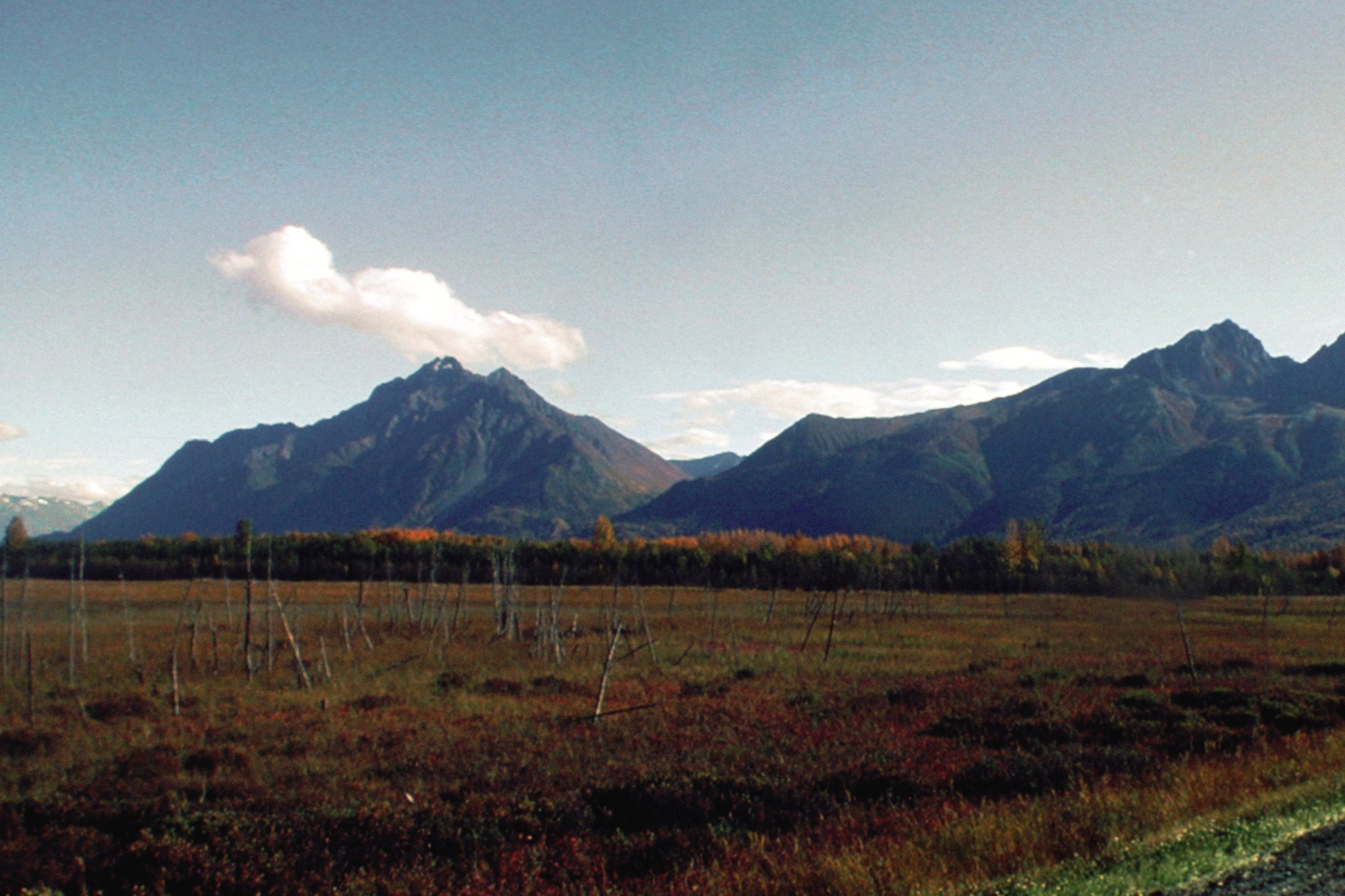
Autumn tundra and ghost forest on the Palmer Hay Flats with Pioneer Peak and neighboring mountains beyond.

01 · Matanuska-Susitna Valley

Palmer Hay Flats

A state game refuge at the head of Knik Arm, the Hay Flats are a broad mix of marsh, slough, and tidal influence. In the fall, dabbling and diving ducks move through the refuge, along with geese. The country lends itself both to working sloughs and to decoy setups in the marshes.

Photo: Palmer Hay Flats and Pioneer Peak, public domain (FHWA / NARA).
02 · Cook Inlet

Susitna Flats

The Susitna Flats are extensive coastal sedge meadows, marshes, and intertidal mud flats at the mouth of the Susitna River on Cook Inlet. Mallards, northern pintails, green-winged teal, and Canada geese are among the waterfowl that stage and feed here during the fall migration.

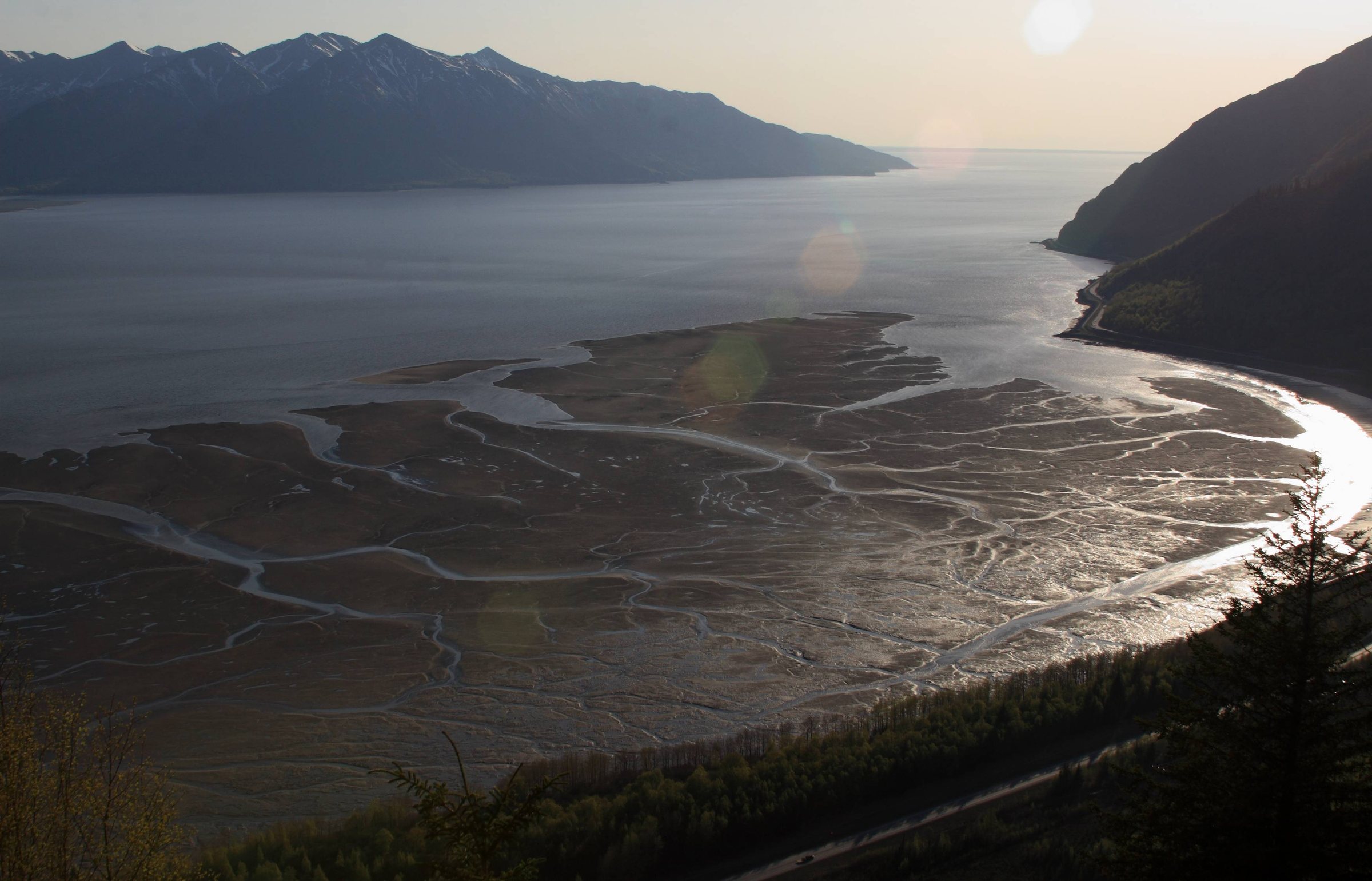
Braided tidal mudflats along Turnagain Arm, with mountains rising across the water.

03 · Anchorage coast

Anchorage Coastal Wildlife Refuge

The refuge protects coastal wetlands along Anchorage’s western and southern shoreline, including the Potter Marsh area. Hunting is limited to designated portions of the refuge’s outer coast. Potter Marsh itself is closed to hunting. Hunters on the refuge must complete a certified hunter education course and carry a current ADF&G annual registration permit (WU002). Review current refuge maps and restrictions before planning a hunt.

Photo: Turnagain Arm mudflats, along the Anchorage coastal corridor. Frank Kovalchek, CC BY 2.0.

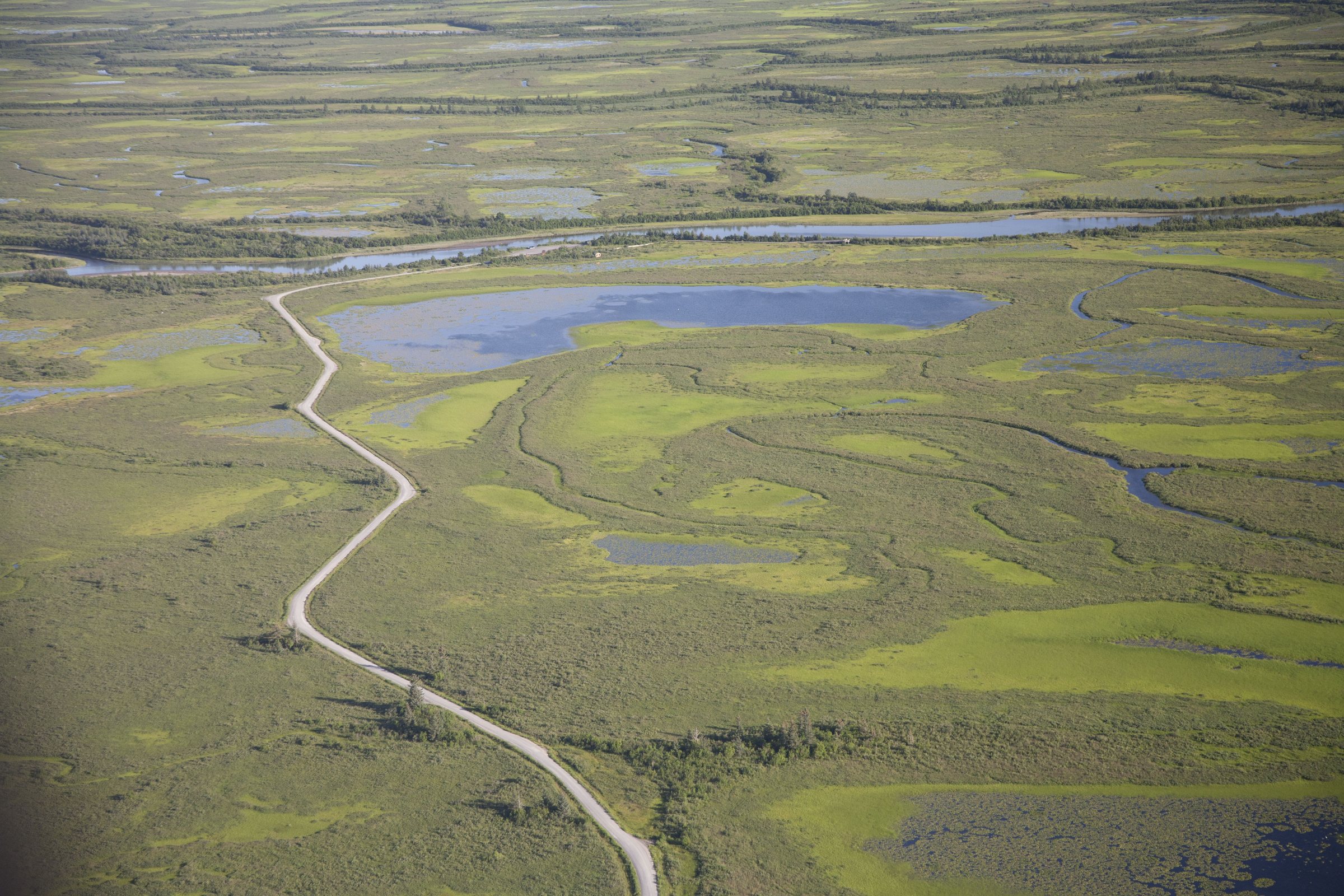
Aerial view of winding sloughs, ponds, and green wetlands on the Copper River Delta near Cordova, Alaska.

04 · Gulf coast

Copper River Delta

A major Pacific coastal wetland system of sloughs, ponds, and tideflats. Dabbling ducks, diving ducks, and geese—including Canada and greater white-fronted geese—use the delta during migration and the hunting season. The country is large, tidal, and best hunted with a clear plan for access and weather.

Photo: Alaganik Slough, Copper River Delta — USDA Forest Service, public domain.

The hunt

What a day in the field includes

Guided hunts are built around the birds, the tide, and the weather, and are tailored for both beginners and seasoned hunters. The items below describe what a day in the field typically includes. How you will meet, and whether boat, truck, or other access is provided, is confirmed when you inquire.

Local knowledge

Southcentral Alaska guidance on the birds, the tides, and the terrain — and how waterfowl use these wetlands as the season progresses.

All skill levels

Guided hunts for beginners and seasoned hunters alike. Whether you are after a first waterfowl hunt or a familiar species in new country, the day is tailored to the party.

Decoy spreads

Decoy spreads suited to the area and conditions—whether a small set in a slough or a larger layout on open flats.

Blinds and cover

Blind or natural-cover setups appropriate to the location. Portable blinds are used where they are allowed and useful.

Scouting

Pre-hunt and in-season scouting of the flats, sloughs, and flyways so the day’s setup matches where the birds are actually working.

Safety and identification

On-the-water and in-the-field safety, bird identification, and legal methods, including the use of non-toxic shot.

Hunters should plan to bring their own clothing, waders, and legal firearm or bow, along with a valid Alaska hunting license, required federal and state waterfowl stamps, and HIP enrollment. Conditions on these hunts are cold, wet, and tidal.

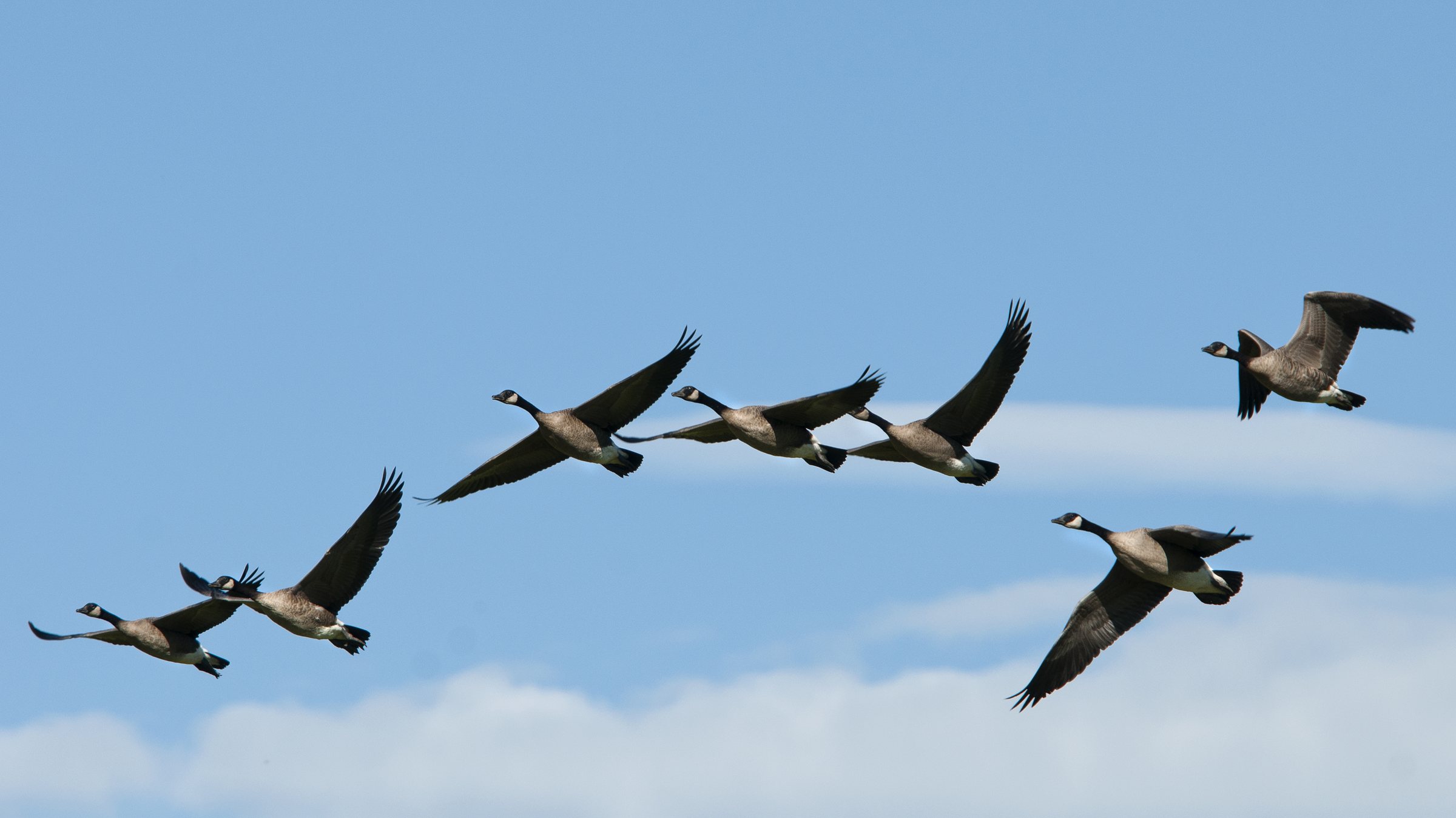
A small flock of Canada geese flying across a blue sky.
Canada geese in flight. Photo: National Park Service, public domain.

Seasons & species

What flies in Southcentral Alaska

In Southcentral Alaska, general waterfowl hunting seasons typically open in early September and continue into December. Exact dates, bag limits, and special restrictions—including shorter seasons for some goose species—are set annually by the Alaska Department of Fish and Game and the U.S. Fish and Wildlife Service.

Prime hunting here is for mallards, pintails, teal, and geese, with sea ducks also present on coastal waters. Species listed below are those commonly encountered in the wetlands described on this site. What is in the air on a given day depends on weather, tide, and the progress of migration.

Dabbling ducks

  • Mallard
  • Northern pintail
  • American wigeon
  • Green-winged teal
  • Northern shoveler

Divers, geese & sea ducks

  • Scaup
  • Goldeneye
  • Bufflehead
  • Canada goose
  • Greater white-fronted goose
  • Sea ducks may be present on coastal waters

Always confirm the current Alaska Migratory Game Bird Hunting Regulations with ADF&G before you hunt. This site does not replace official regulations.

Licenses & stamps

What hunters need to carry

To hunt waterfowl in Alaska, most hunters must have all of the following. Limited exemptions apply (for example, certain age, disability, or income categories). Confirm current requirements with ADF&G.

  1. A valid Alaska hunting license. Resident and nonresident requirements differ, including by age.
  2. A current Federal Migratory Bird Hunting and Conservation Stamp (Federal Duck Stamp). Generally required for hunters 16 years of age and older.
  3. An Alaska Waterfowl Conservation Stamp (state duck stamp).
  4. Harvest Information Program (HIP) enrollment. In Alaska, the state duck stamp typically serves as proof of HIP enrollment.

Contact

Inquire about a hunt

For hunt bookings or industry inquiries, use the form or email the address below. A phone number and street address are not listed on this site.

This form opens an email to [email protected]. If your browser does not open email, write directly to that address.